What I've Heard, Know, And Think About the Dianna Russini Scandal | Bobby Burack
In a profession built on trust, Russini lost the trust of the industry and the public.
On April 7, the New York Post published photos of New York Times NFL reporter Dianna Russini holding hands with and hugging New England Patriots head coach Mike Vrabel at a resort in Arizona. The images prompted immediate questions about the nature of their relationship and the boundaries between reporters and sources.
Russini, Vrabel, and the Times each issued statements attempting to downplay the situation.
"These photos show a completely innocent interaction, and any suggestion otherwise is laughable," Vrabel said. "This doesn’t deserve any further response."
"The photos don’t represent the group of six people who were together during the day," Russini added. "Like most journalists in the NFL, reporters interact with sources away from stadiums and other venues."
"These photos are misleading and lack essential context," executive editor Steven Ginsberg told the Post. "These were public interactions in front of many people. Dianna is a premier journalist covering the NFL, and we’re proud to have her at The Athletic."
One week later, on Tuesday, Russini resigned from The Athletic.
In her public resignation letter, Russini wrote that "commentators in various media engaged in self-feeding speculation" that undermined the outlet’s internal review process.
She is not entirely wrong.
Last Wednesday, OutKick published a column arguing that more facts were needed about Russini’s interaction with Vrabel. The column acknowledged that the optics were unfavorable and raised legitimate questions about ethics, but stopped short of endorsing the internet’s assumption of a romantic relationship.
However, conversations with more than a dozen industry sources, including media personalities, agents, and executives, painted a different picture. Not one source expressed belief in Russini’s explanation. There was no meaningful defense of her account, either privately or publicly.
That absence of support became more noticeable as the story developed. No prominent figures defended Russini in real time. Only after her resignation did Jemele Hill and Michelle Beadle raise the possibility of a misogynistic double standard. They waited until Russini's was buried to defend her. They waited until their support couldn't save her.
By last Thursday, it had become increasingly clear that Russini would not return to The Athletic. The prevailing view was that she had engaged in an inappropriate relationship with a coach, whether romantic or not.
At that point, the benefit of the doubt narrowed. Russini maintained that she was on a "girls trip" and coincidentally encountered Vrabel at the resort. That claim could have been reinforced with basic corroboration, such as photos from the trip. None were provided. The absence of supporting evidence weakened her defense. Either that, or she went on the first-ever girls’ trip without taking any photos.
Even now, Russini could attempt to substantiate her account. Producing evidence that she was not vacationing with Vrabel might mitigate some of the reputational damage and improve her prospects with future employers. Instead, she wrote that she has "no interest in submitting to a public inquiry."
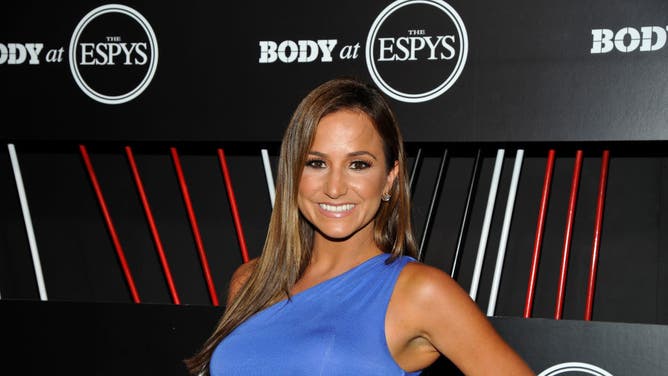
Dianna Russini at BODY at ESPYS at Avalon on July 11, 2017, in Hollywood, California. (Photo by John Sciulli/Getty Images for ESPN)
Additional factors have compounded the situation. Circulating clips of Russini making disparaging remarks about her husband have further shaped public perception, reinforcing questions about her character.
And her career is likely over because of that.
That's not to say Dan Le Batard or Bill Simmons won't hire her for a podcast under the guise of fighting back against misogyny. But Russini's value is not podcasting. She is an NFL insider, and no serious publication is going to hire her to report on news, given the reputation she inherited last week.
As one executive told OutKick, Russini does not generate enough exclusive reporting to warrant the reputational risk associated with hiring her.
Beyond the individual case, the scandal has prompted broader discussion about industry practices and the potential impact on women in sports media. Multiple female broadcasters have expressed frustration to OutKick about how Russini's photos could undermine the perception of their careers.
I'm not so sure. The knock on women in sports media is no different from that on men: the people in charge tend to elevate the wrong ones. Russini's photos are unlikely to have any impact on the respected women in sports media.
Elsewhere, the insider ecosystem has always operated in a gray area. Success depends on cultivating close relationships with sources, sometimes blurring traditional journalistic boundaries. Still, Adam Schefter, Ian Rapoport, and Tom Pelissero continue to command large audiences. Their bosses view them as among their most valuable employees.
Russini’s downfall is specific to her own circumstances.
In a profession built on trust, Russini lost the trust of the industry and the public. Whatever the truth is, they have already made up their minds.
Based on the response, some had their minds made up about her before they ever saw her caressing Vrabel alone by the pool.