Breaking Down The New WNBA CBA: Bigger Salaries, Revenue Sharing & More
After more than a year of negotiations, the WNBA and its players union have agreed to a new CBA that dramatically reshapes player pay, revenue sharing and league structure.
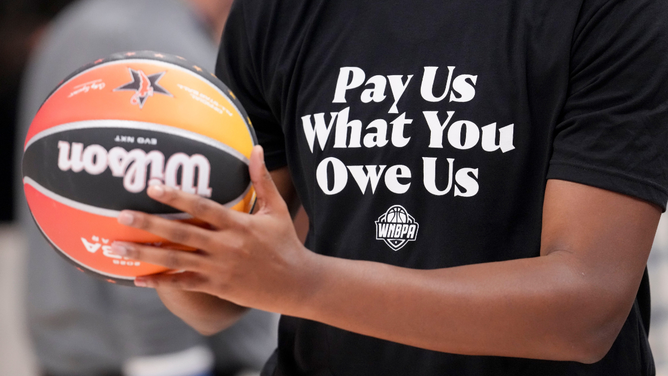
The WNBA and its players union finally signed the term sheet for a new collective bargaining agreement on Friday. And after more than a year of back-and-forth, the final deal is a massive financial leap for the players.
Following more than 100 hours of marathon negotiations in Manhattan, the league and the Women's National Basketball Players Association (WNBPA) signed a term sheet for a new seven-year agreement that now heads to a formal ratification vote.
The league called it "one of the most transformational labor agreements ever reached in major professional sports."
So let's break down the terms.
Salaries Jump Across The Board
The most obvious change is the money. Under the new deal, the WNBA's salary structure will look completely different starting in 2026:
- The salary cap will jump to $7 million (up from $1.5 million).
- Maximum salaries will start at $1.4 million and are projected to exceed $2.4 million over the course of the deal.
- Average salaries will rise to $583,000 and are expected to top $1 million by the end of the deal.
- Minimum salaries will range from $270,000 to $300,000, depending on experience.
Revenue Sharing Finally Gets Done
As we've been reporting throughout this process — to the point where I am tired of typing it — revenue sharing was the central issue in negotiations. It was the biggest reason talks dragged on for 17 months.
The new agreement introduces a system directly tied to league growth, with players receiving roughly 20% of revenue over the life of the deal.
The league described it as "the first comprehensive revenue-sharing model in women's professional sports history, featuring unlimited upside for players as the league continues to grow."
That marks a significant shift from the previous system, which required the league to hit certain thresholds before players saw any additional revenue.
Housing Debate Ends In A Compromise
Under previous CBAs, the WNBA has provided housing for players through team-paid apartments or stipends. But a league source told OutKick earlier this month that the league initially proposed eliminating that benefit as part of the new CBA, arguing that significantly higher salaries would make it reasonable for players to secure their own housing.
Ultimately, the two sides found a compromise under the new agreement:
- All players will receive housing in 2026, 2027 and 2028.
- In 2029 and 2030, housing will be limited to players making $500,000 or less.
- Developmental players will receive housing throughout the deal.
This is wildly generous by the league and (in my opinion) completely unnecessary. But nobody asked me, and it was a huge sticking point for the players' union.
A Big Shift For Young Stars
One of the most common questions I got from readers about this new CBA was: Will Caitlin Clark still be making $78,000 while the No. 1 overall pick in 2026 makes a half million?
Short answer: no.
- Existing rookie contracts will be adjusted upward immediately.
- Future rookie contracts will increase significantly.
- Star players will have accelerated pathways to max contracts.
That means players like Clark and Paige Bueckers won't be stuck earning a fraction of what newer contracts might pay.
((Grace Smith/IndyStar / USA TODAY NETWORK via Imagn Images))
League Growth Brings More Games, Bigger Rosters
One of the primary complaints from players in the last few years has been the steady increase in the number of regular-season games played. Commissioner Cathy Engelbert kept adding games to the schedule, they said, without compensating players for more work.
It's worth noting that the previous CBA enabled the league to increase the schedule to 44 games, so Engelbert & Co. were completely within their rights to do that in 2025.
Under the new deal:
- The 2026 season will remain at 44 games.
- The schedule will expand to as many as 50–52 games in future seasons.
- Rosters will remain at 12 players, but the new CBA creates two new additional developmental roster spots per team that do not count against the salary cap.
That last one would have been very helpful for the Indiana Fever when the team lost five players to season-ending injuries heading into the playoffs.
Travel, Facilities And Benefits Get Upgraded
Beyond salaries, the agreement includes a number of quality-of-life improvements players have pushed for:
- League-wide charter flights
- Enhanced facility standards
- Expanded access to medical, training and nutrition staff
- Increased retirement, mental health and family planning benefits
- Protections for pregnant players
Player bonuses are also getting a significant boost. For example, the MVP bonus rises to $60,000 (up from $15,450), the Rookie of the Year will earn $15,000 (up from $5,150), and championship-winning players will earn $60,000 each (up from $22,908).
((Photo by Steph Chambers/Getty Images))
The New CBA Is, As Promised, ‘Transformational’
After missed deadlines, public disagreements and even talk of a potential work stoppage, both sides are now presenting the deal as a win.
More importantly, it ensures the WNBA's 2026 season — along with the draft and the expansion draft — will go on as planned, and it signals a new financial era for the league.
The WNBA has experienced explosive growth over the past two seasons, shattering records in attendance, television ratings, ticket sales and merchandise. With a new $2.2 billion media rights deal set to kick in this year, the league is operating in a completely different financial reality than it was even a few years ago.
Simply put, this is not the same WNBA — and this new agreement reflects that.