Hollywood Has Another Dismal Summer, After Telling Half Of Americans It Hates Them
Industry faces consequences after years of alienating audiences with political messaging and ideological content
Hollywood is in serious, serious trouble.
A new story from industry trade The Hollywood Reporter out this week is headlined: "The summer box office is quickly turning south." And that might be an understatement.
The story goes on to explain that the entertainment business had hopes of reaching $4 billion in box office this summer, which would match the summer of 2023. It mentions high-profile releases like James Gunn's "Superman" and Disney's "The Fantastic Four: First Steps."
Even $4 billion was a relatively low target to reach, considering the summer movie season in say, 2012 had grossed $4.4 billion. 2013 was even higher at $4.76 billion. And that's before adjusting for inflation, which would push those numbers up to $6.2 billion and $6.6 billion respectively.
RELATED: Disney Is Reportedly Desperate To Get Male Audience Back After Years Of Pushing It Away
And what do you know, it turns out, this year's summer is not going to get anywhere close to $4 billion. Which would still be a dramatic decline from just over a decade ago.
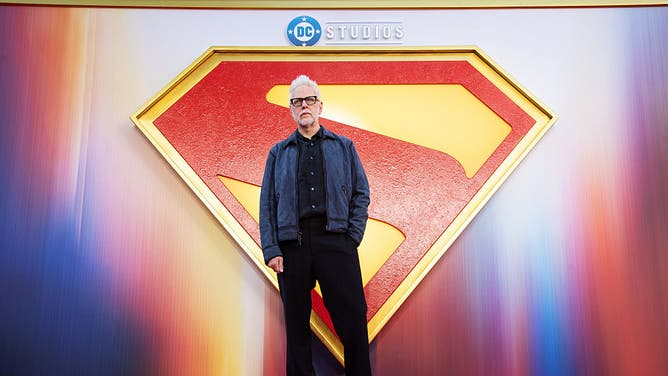
LONDON - James Gunn attends the "Superman" Fan Event in London's Leicester Square on July 02, 2025. (Photo by Jeff Spicer/Getty Images for Warner Bros)
Hollywood's Made Its Own Bed With Audiences
There are many explanations for the disappointing summer results.
The pointless COVID shutdowns Hollywood supported made people much more comfortable watching movies at home and waiting for them to reach streaming platforms. Movie ticket prices, like everything, have skyrocketed in the last few years. While a number of movies had big-name talent attached or prominent, popular characters, they weren't "events" that necessitated going to the theater.
But maybe the biggest issue is that the movie business lost the benefit of the doubt with consumers.
For years, especially after 2020, Hollywood told half of Americans that it wasn't interested in their business. That their views made them abhorrent. This was evidenced by Disney's treatment of Gina Carano, firing her from "The Mandalorian" over social media comments, while allowing Pedro Pascal to keep his job despite far, far worse and more offensive posts. Because he was under the protection of the "correct" political ideology.
Disney put out a series of ideologically-driven movies, from "Lightyear," to "Strange World," to "Snow White." All flopped. Marvel went from being an inoffensive brand new that had broad cultural appeal, to specifically incorporating politics into its films and television shows.
Saying "She-Hulk" was a trainwreck is an insult to trainwrecks. Replacing Chris Evans with Anthony Mackie as Captain America did not go as planned. Paul Rudd's daughter in "Ant Man 3" was an anti-police activist. The "M-She-U" became a commonly-used term from movie and comic book fans.
"Indiana Jones and the Dial of Destiny" was a box office disappointment thanks to an infuriating plot, and the obvious intention to replace Harrison Ford with the unpopular Phoebe Waller-Bridge.
Then this summer, James Gunn said his "Superman" movie was political, then watched it come up well, well short of profitability at the box office. Pedro Pascal, who's become a divisive figure, headlined the "Fantastic Four" movie, which also bombed.
These are just a few examples; there are dozens more.
It's not just those individual movies, it's a pattern. Hollywood effectively told half of Americans to stop watching its movies, and sure enough, they did. Young men, once the entertainment industry's biggest and most reliable source of ticket buying, have rapidly stopped, after years of Hollywood replacing male-centric stories with female leads. Or refusing to make movies with storylines that appeal to young men, thanks to layers of executives who whisper "toxic masculinity" into their pillows at night.
This is the result; even when films aren't overtly political, audiences aren't showing up. Because Hollywood said not to. This is Hollywood's fault. And it might be beyond fixing. Great work, guys.