Hollywood Ticket Sales Have Crashed 51 Percent As Audiences Avoid Politicized Movies
Hollywood is in major trouble...
As we start 2026, the entertainment industry is facing major challenges.
Hollywood has, for years, coasted by on the success of franchises, superhero movies, and what the industry calls "existing IP." The rise of Marvel Studios throughout the 2010's and Disney's ability to churn out reliable box office grosses by remaking its animated classics papered over systemic concerns. Disney CEO Bob Iger even said his company would essentially avoid making new original properties, focusing exclusively on remakes and franchises.
Then, the pandemic hit. Movie theaters closed for months, if not years. Streaming services took over. The lockdowns coincided with the seeming "end" of the first part of the Marvel Cinematic Universe with "Avengers: Endgame." Even when movie theaters reopened, the comic book, superhero movie genre showed clear signs of slowdown. "Black Widow," "Shang-Chi," "Ant-Man," and then, of course, historic flops like "Eternals" and "The Marvels."
Suddenly, Hollywood's reliable fallback, running to comic book properties, had disappeared. And it wasn't just Disney. The latest "Superman" movie disappointed at the box office in 2025. High profile action movies like "Black Adam," "Furiosa: A Mad Max Saga" or "Joker: Folie a Deux" all flopped, losing well over $100 million each in their theatrical runs.
RELATED: Netflix Is Going To Destroy Movie Theaters With Warner Bros Takeover
Still, the industry has attempted to save some face by pointing to recovering box office grosses in the post-pandemic period. Yet with 2025 now fully behind us, new data shows that they're doing even worse than they've let on.
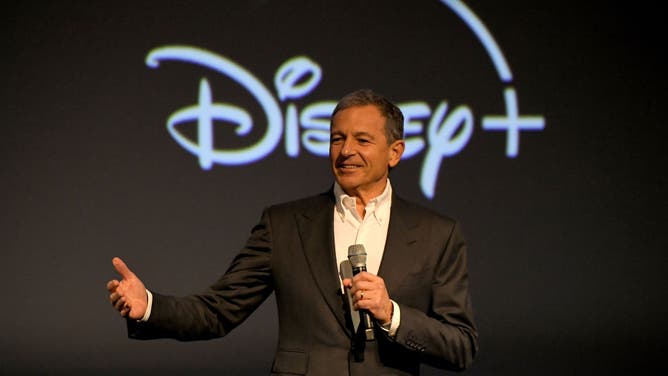
Disney CEO Bob Iger. (Photo by Charley Gallay/Getty Images for Disney)
Fewer And Fewer People Buying Tickets To Hollywood Films
Tracking site The Numbers pulled together box office data from 2000-2025, comparing it with ticket prices, to estimate the total number of tickets sold in the US and Canada.
Put that data together, and you can see just how far things have fallen across the industry.

The total box office for the industry has fallen substantially from its highs in 2019, but ticket sales are in an even bigger crisis, dropping to just over 760 million from a high of nearly 1.6 billion in 2002. That represents a decline of 51.3 percent in ticket sales from the 2002 peak to 2025. That's a crisis, and there's no sign of recovery.
Total box office seems to have grown over this same time period, but when looking at the numbers after adjusting for inflation, the picture gets much worse.

The reasons for this are varied. But the biggest and most obvious is that Hollywood became obsessed with infusing progressive politics into its projects. Politics were less of a focus in the earlier part of this chart, but became a cornerstone of its projects as the 2000's turned into the 2010's. Tell half, or more than half, of your audience that you hate them and don't want their business, and eventually they'll listen. Disney in particular injected left-wing ideology into children's animated movies, alienating viewers for films like "Lightyear" or "Strange World."
Streaming services have taken a huge percentage of market share, as audiences have gotten used to watching at home instead of buying tickets, concessions, or arranging for childcare. The quality of most blockbuster movies has also declined. Despite technology advancing rapidly, most major films now look and feel, to put it simply, terrible. Backgrounds are fake. Locations are fake. Storylines are repetitive. Compare the "Lord of the Rings" series, produced in the late-1990's and early-2000's, it looks better than most modern films because they used real locations.
Then there's the problem with creative talent. When their films fail, they blame fans. It's the fans' fault for not enjoying a politicized comic book movie. Or disagreeing with absurdist storylines in say, the "Star Wars" franchise. Hollywood at its core, despite what they say about "art" and so on, is a consumer business. They need people to "buy" what they're selling.
As the data inescapably shows, viewers aren't. And that's not going to change, unless the industry moves away from politics and disposable slop, in a hurry.