Here's What The Move To Netflix Of Barstool's Pardon My Take Says About Future Of Podcasts
In the meantime, Netflix has come to see that its true rival for streaming supremacy isn’t Disney+, HBO Max, or Amazon. It's YouTube.
In its most aggressive podcast investment yet, Netflix has signed a distribution deal with Barstool Sports to exclusively stream Pardon My Take, The Ryen Russillo Podcast, and Spittin’ Chiclets. The three shows will move from YouTube to Netflix in early 2026, the company announced Wednesday.
Pardon My Take is the headline. Hosted by Big Cat and PFT Commenter, the show has arguably been the most popular sports podcast since its launch in 2016. Often viewed as the modern equivalent of ESPN's Pardon the Interruption, the show has managed to stay popular without chasing headlines or relying on cheap controversy.
For Barstool and its hosts, there’s little downside in leaving YouTube. The podcasts will remain available in audio form on Apple and Spotify, and Netflix is presumably guaranteeing more revenue than YouTube delivers now. That alone makes the move worthwhile.
But before evaluating the strategy for Netflix, it’s worth examining where the podcast industry stands.
The State of Podcasting
In 2019, Spotify sought to overtake Apple as the leading podcast platform, signing exclusive licensing deals with prominent figures such as Joe Rogan and Call Her Daddy host Alex Cooper — both worth approximately $100 million — and acquiring Bill Simmons’ Ringer network for $200 million.
The strategy fell short not because listeners were reluctant to leave Apple Podcasts, but because the medium itself changed.
During the pandemic, podcasts became increasingly visual. By 2024, YouTube had surpassed both Apple and Spotify in market share. According to Edison Podcast Metrics, YouTube now holds 31 percent of the market, compared to Spotify’s 27 percent and Apple’s 15 percent.
Spotify eventually realized exclusivity limited its reach. It restructured contracts with major creators, including Rogan, to allow them to post on YouTube as well.
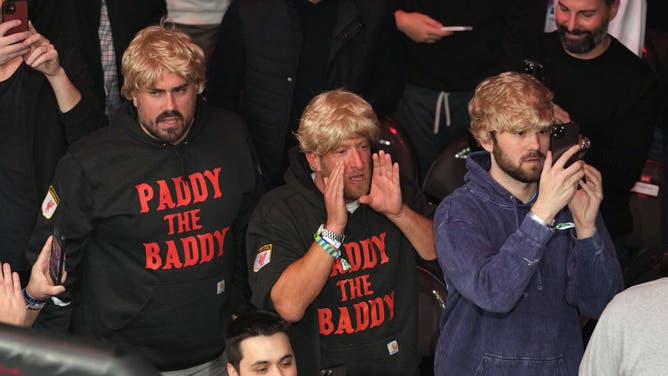
LAS VEGAS - (L-R) Dan 'Big Cat' Katz and David Portnoy of Barstool Sports support Paddy Pimblett of England during the UFC 282 event at T-Mobile Arena on December 10, 2022. (Photo by Josh Hedges/Zuffa LLC)
Netflix’s Real Rival
In the meantime, Netflix has come to see that its true rival for streaming supremacy isn’t Disney+, HBO Max, or Amazon. It's YouTube.
Over the past three months, Netflix has actively poached a range of podcasts from YouTube. By current counts, it has more than 30 shows set to debut in 2026, including 15 from iHeartMedia, 16 from The Ringer, and three from Barstool.
And it’s not done.
Will the Strategy Work?
For the hosts, yes.
Like Spotify in 2019, Netflix is paying a premium to bring top shows under its umbrella. Taking the guaranteed money makes sense, even if it means losing part of the audience, the same way Howard Stern benefited from leaving terrestrial radio for SiriusXM.
That audience loss, though, is inevitable. YouTube had approximately 2.5 billion active users as of 2025. Netflix has roughly 300 million paying subscribers. The reach isn’t comparable.
YouTube is also built for passive listening. People stream it while working, exercising, commuting, or falling asleep. Netflix isn’t designed that way. It’s an app people sit down to watch, not one they use in the background.
YouTube also benefits from search queries. As the second-largest search engine in the world, it constantly funnels new listeners to podcasts through related video and topic searches.
Netflix doesn’t have that kind of discovery engine. As a result, shows like Pardon My Take will likely lose casual viewers and lean more heavily on their core audience.
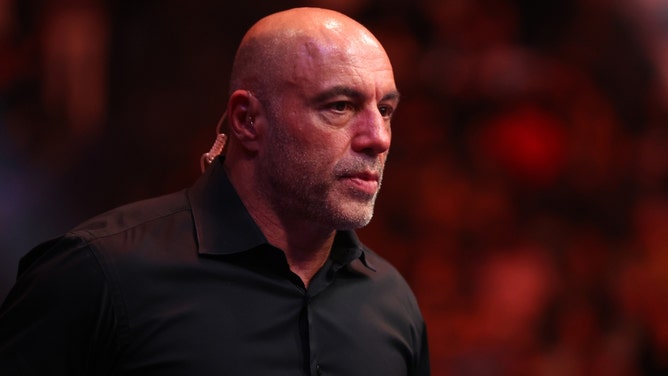
Joe Rogan. (Mark J. Rebilas-Imagn Images)
The Platform Risk
On a positive note, there’s growing concern across the industry about the long-term viability of monetization through YouTube.
Creators who depend on tech platforms for distribution are uniquely vulnerable to sudden change. A decade ago, Facebook abruptly reduced publisher reach, resulting in a significant decline in traffic for many major websites. Under Elon Musk, X has followed a similar approach by throttling outbound links. Publishers have since had to adjust, compensating for the loss of social media referrals.
At any point, for any reason, YouTube could change its strategy.
Most podcasters upload independently through its revenue-share program, meaning a single algorithm tweak could cut their income dramatically. A Netflix deal shields Barstool from that kind of uncertainty.
A Moving Target
Since the inception of podcasting, the most successful hosts have positioned themselves to benefit from each major shift, turning each new trend into a source of leverage.
That’s what Joe Rogan did. And that’s what every new Netflix signee is doing now.