CEO Bob Iger Explains That Disney Has No New Ideas, Still Doesn't Understand Movies
Disney continues to tailspin.
It's been a time of upheaval for Disney.
After years of turning a once-proud film studio into a factory of left-wing propaganda movies aimed at children, Disney's cultural relevance and box office receipts have declined precipitously. And though the company continues to report increasing revenues from Parks and Experiences, much of that comes down to increased cost per guest, even though attendance this summer noticeably lagged.
Still, much of Disney's income is downstream from its movie studio. The films generate revenue, then provide content for Disney+, then lead to ideas for theme park rides. The more Disney can create good, quality movies people want to see, the more successful they are holistically.
Which makes it all the more frustrating that the company's CEO, Bob Iger, in an earnings call this week, explained that he has little strategy for making those quality original films. The list of upcoming releases includes sequels like "Freakier Friday," "Predator: Badlands," "Tron: Ares," "Zootopia 2" and "Avatar: Fire and Ash."
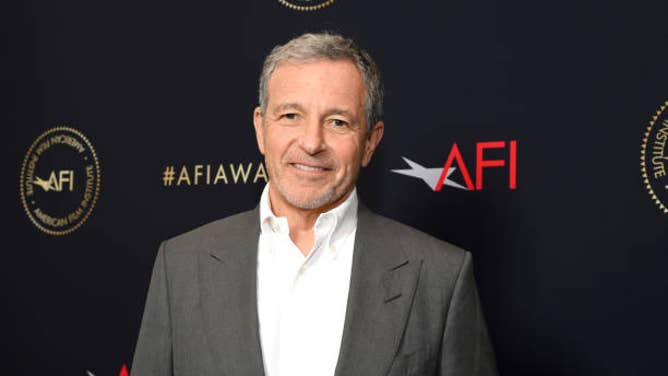
Bob Iger has not righted the ship at a Disney company struggling to produce quality original content. (Photo by Michael Kovac/Getty Images for AFI)
Disney Doesn't Have Much In The Way Of New IP
Iger said that he and the company are "focused" on original ideas. They just don't have any.
"We continue to be focused on creating new IP," Iger said. "Obviously, that’s of great value to us long term. But we also know that the popularity of our older IP remains significant, and the opportunities to either produce sequels or convert what was previously animation to live action, like we’re doing with ‘Moana’ in 2026, it’s just a great opportunity for the company and supports our franchise. So I wouldn’t say that we’ve got a priority one way or the other. Our priority is to put out great movies that ultimately resonate with consumers."
It's telling that Iger immediately switched from "we're focused on new IP" to "our older IP remains significantly popular."
And it's even more telling that Disney's latest superhero release, "The Fantastic Four: First Steps," has been yet another box office disappointment. With a budget of at least $200 million, potentially reaching as high as the $225-250 million range, and accounting for at least another $100-150 million in marketing costs, "Fantastic Four" likely needed to gross in the $700-800 million range globally to break even. It's made $378 million, as of Wednesday afternoon.
Even worse, its domestic second weekend gross was a disaster, dropping more than 67 percent from its $117.6 million first weekend to just $38.7 million. If your priority is "great movies" that "resonate with consumers," that ain't it. Hilariously, Iger tried to frame the one millionth (approximately) reboot of Fantastic Four characters as an "original property."
"The more we can find and develop original property, the better," Iger continued. "Of course, we are developing original property under the 20th Century banner and under the Searchlight banner. And look, you could even argue that Marvel continues to mine its library of characters for original property. Even though, for instance, there have been Fantastic Four movies before, we kind of consider the one we did an original property in many respects, because we’re introducing those characters to people who are not familiar with them at all."
This type of thinking explains why Disney has found it so hard to create original films in recent years. "Frozen" was released over a decade ago. Moana was released nearly nine years ago. Original concepts like "Strange World" were infested with political activism, and ultimately bombed.
"Snow White" was a historic disaster, with Disney's "original" additions widely panned by audiences and even some critics.
Disney's greatness and cultural relevance was based on putting an original take on stories or fairy tales that were heartwarming, enduring and enjoyable. Often, it feels like the modern construction of the company has no idea how to accomplish that. Bob Iger clearly doesn't.